
Description
What is GLOW Peptide?
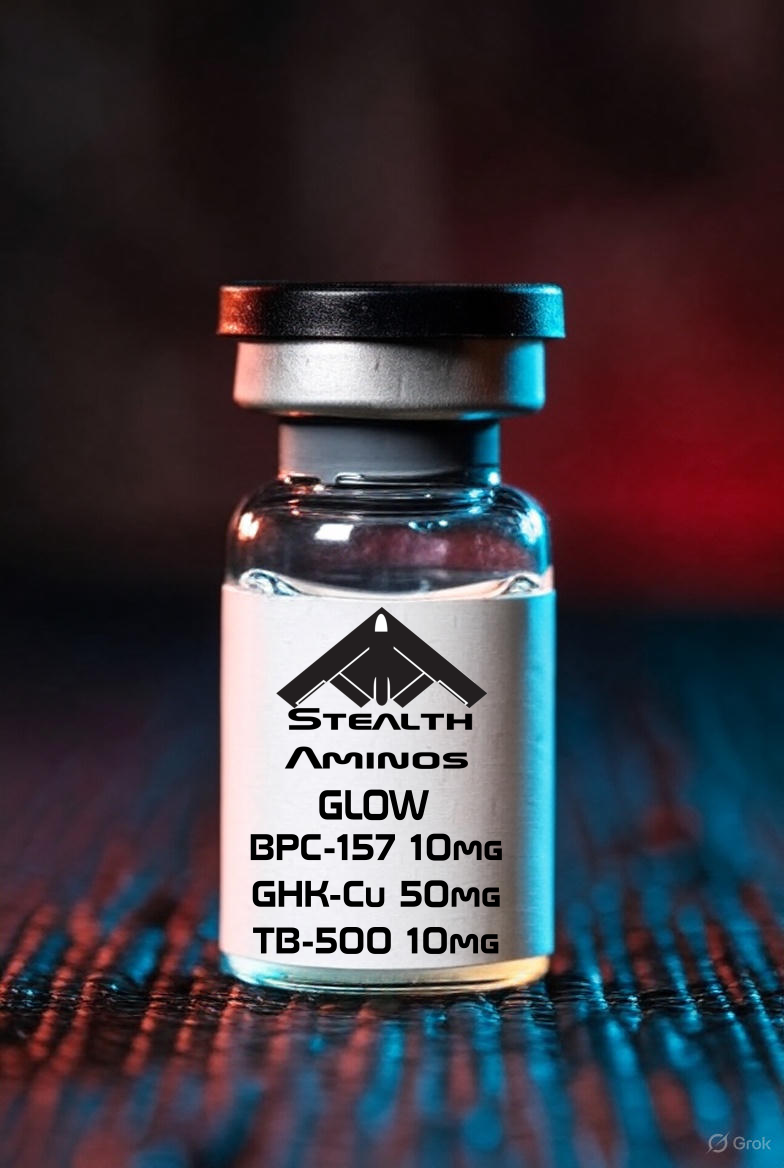
GLOW Peptide (also known as GLOW Blend or Glow Protocol) is a synthetic research peptide blend combining three well-studied compounds: BPC-157 (5-10 mg), TB-500 (Thymosin Beta-4, 5-10 mg), and GHK-Cu (Copper Tripeptide-1, 20-40 mg) in a single vial (total 30-60 mg). Developed for laboratory and preclinical research, it’s marketed in biohacking and wellness circles for its potential synergistic effects on tissue repair, skin rejuvenation, and anti-inflammation. BPC-157 is a pentadecapeptide derived from gastric juices, TB-500 is a 43-amino-acid fragment promoting actin sequestration, and GHK-Cu is a naturally occurring tripeptide (Gly-His-Lys) that binds copper to modulate gene expression.
As of November 2025, GLOW is not FDA-approved for human use and is sold strictly as a research chemical. Clinics offer it off-label via subcutaneous injections for “regenerative therapy,” but evidence is limited to animal models, in vitro studies, and anecdotal reports. It’s lyophilized powder requiring reconstitution with bacteriostatic water.
How Does It Work?
GLOW leverages the complementary mechanisms of its components:
- BPC-157: Accelerates angiogenesis (via VEGFR2 and nitric oxide), fibroblast migration, and epithelial repair; modulates FAK-paxillin pathways for tendon/muscle healing.
- TB-500: Upregulates VEGF for angiogenesis, sequesters actin to promote cell migration and reduce inflammation; supports extracellular matrix remodeling.
- GHK-Cu: Binds copper to activate antioxidant enzymes (e.g., SOD), stimulate collagen/elastin synthesis, and alter DNA expression for anti-aging effects; reduces oxidative stress and inflammation.
Administered subcutaneously (e.g., abdomen), the blend is thought to enhance systemic repair by targeting multiple pathways simultaneously. Peak effects in studies occur within 24-48 hours, with cumulative benefits over 4-8 weeks. No human pharmacokinetics data exists; animal models show rapid absorption and low toxicity.
Potential Benefits
Preclinical research and user anecdotes (e.g., on Reddit and X) suggest broad regenerative potential, but human trials are absent—results are promising yet unverified. Synergy is hypothesized from combined anti-inflammatory and pro-healing actions.
| Benefit | Description | Supporting Evidence |
|---|---|---|
| Skin Rejuvenation & Anti-Aging | Boosts collagen/elastin (up to 70% in vitro), improves elasticity/firmness, reduces wrinkles/scars; promotes “glow” via antioxidant effects. | GHK-Cu studies: Restores skin matrix in aged models; user reports of firmer skin after 1 month. |
| Wound & Tissue Healing | Accelerates repair of tendons, ligaments, muscles; enhances post-surgical recovery and scar reduction. | Rodent models: 2x faster tendon healing with BPC-157/TB-500; GHK-Cu aids epithelial regeneration. |
| Anti-Inflammatory & Pain Relief | Lowers systemic inflammation, eases joint/muscle pain; supports recovery from injuries or chronic conditions. | Preclinical: TB-500 reduces cytokine markers; blend synergy in inflammation models. |
| Musculoskeletal Support | Improves flexibility, reduces injury risk; aids athletes in recovery without steroids. | Animal data: Enhanced actin dynamics for better tissue integrity; X users note faster workout rebound. |
| Other | Potential for gut repair (BPC-157), improved circulation, and countering “peptide glow” sagging from weight loss drugs. | Anecdotal: Reduced loose skin in GLP-1 users; early research on vascular health. |
Reviews
There are no reviews yet.